Waste in.Protein out.Loop closed.
EcoLoop Agriculture feeds city organic waste to Black Soldier Fly larvae. The larvae become protein for animal feed. What they leave behind becomes fertiliser. Imported fishmeal and soya get a local alternative.
- Stage
- Pilot, 2026
- Makes
- BSF larvae meal and frass fertiliser
- Sells to
- Feed manufacturers and commercial farms
- Programme
- AAC Accelerator, Impact Hub Nairobi
Feed is the biggest bill on the farm.
Fishmeal and soya come from abroad, so their price follows exchange rates and shipping. Meanwhile Kenya's cities throw away tonnes of organic waste, which rots, releases methane and fouls water.
Larvae eat the waste. What they grow can replace some of the imported protein.
Larvae meal replaced all the fishmeal in pig diets, with no loss in growth, carcass quality or return.
Chia, 2019 · Wageningen University, trial in Kenya
One loop, five stages.
Stage 1 of 5: Waste comes in
- Input
Waste comes in
Fruit and vegetable waste from markets and food processors, collected under supply agreements instead of dumped.
- Bioconversion
Larvae eat it
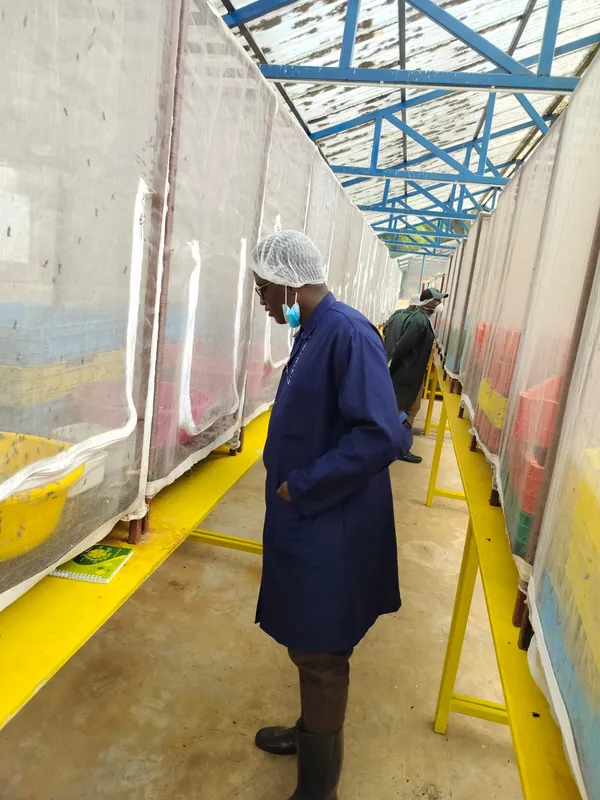
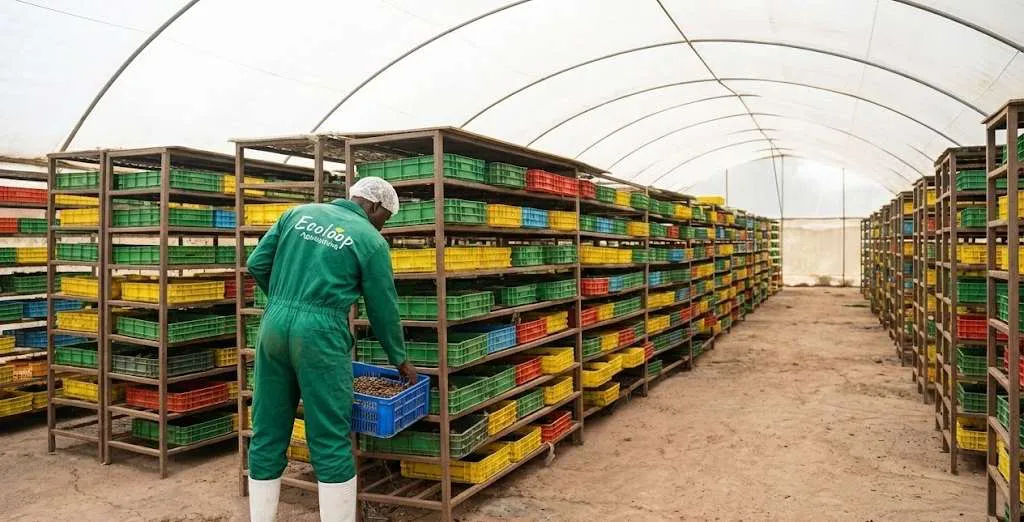
Black Soldier Fly larvae feed on the waste in crates on racks, in a controlled room with written procedures.
- Protein
Harvest and dry
Larvae are sieved out, dried and processed into larvae meal, a protein feed ingredient.
- By-product
Frass is kept
What the larvae leave behind is frass. Screened and prepared, it becomes organic fertiliser.
- Delivery
It goes back out
Feed to manufacturers and farms. Fertiliser to the soil that grows the next crop. Each batch is logged.
Three products from one process.
- 01
Dried larvae
Whole dried larvae for poultry, fish and specialty feeds. High in protein, easy to store.
Protein · 40–60% in published research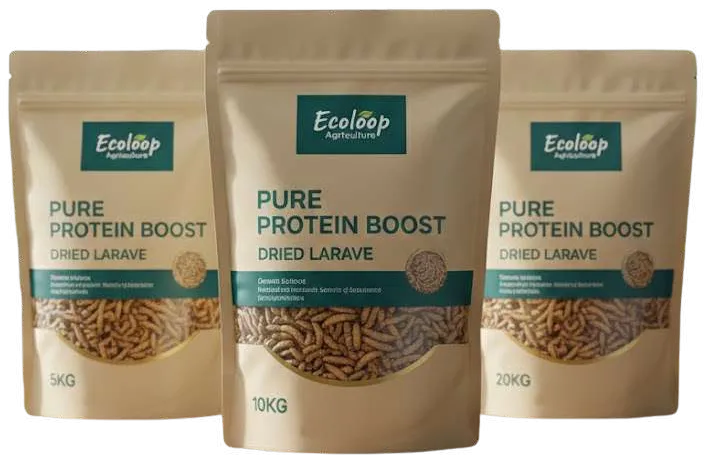
Pack concept - 02
Larvae meal
Consistent, traceable meal for feed manufacturers. This is the product the business is built around.
Protein · Main product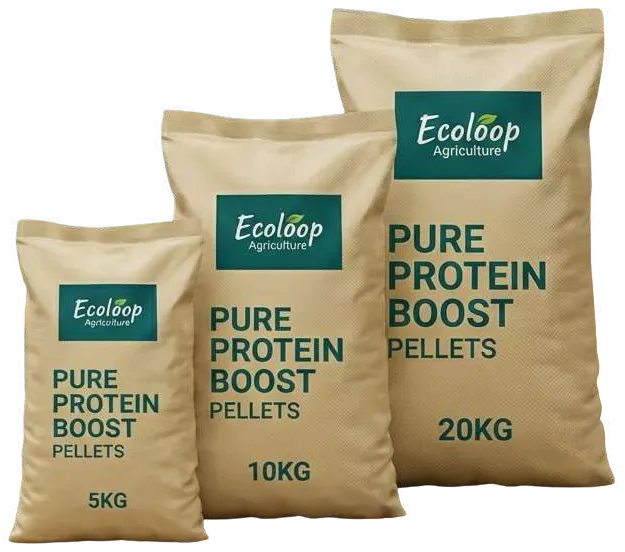
Pack concept - 03
Frass fertiliser
Frass from the larvae, screened and bagged. The loop closes when it goes back on the land.
Soil · Planned 2027–28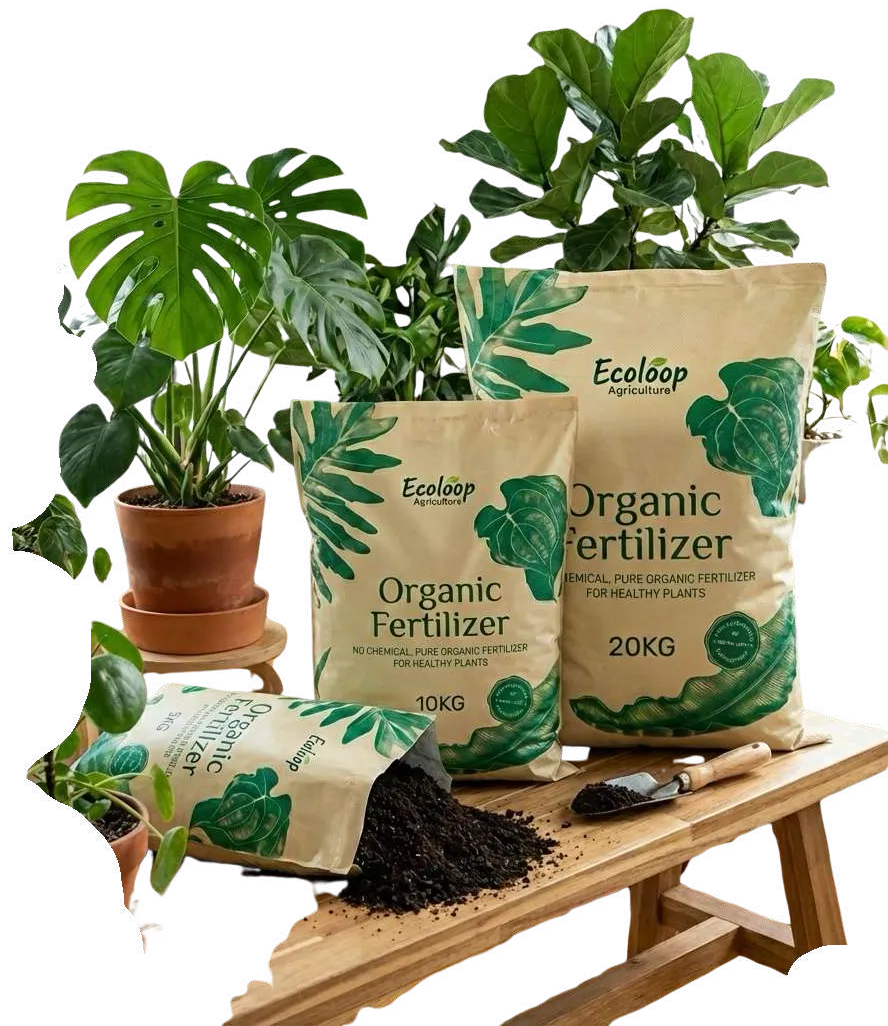
Pack concept
Feed buyers pay for consistency.
In our interviews they ranked quality and supply reliability above price. The plant is designed around that.
- Production
- Written procedures for every rearing cycle
- Traceability
- Each batch logged from waste intake to delivery
- Compliance
- Working with KEBS and NEMA from day one
- Quality
- Controls aligned to Kenyan feed standards
- Training
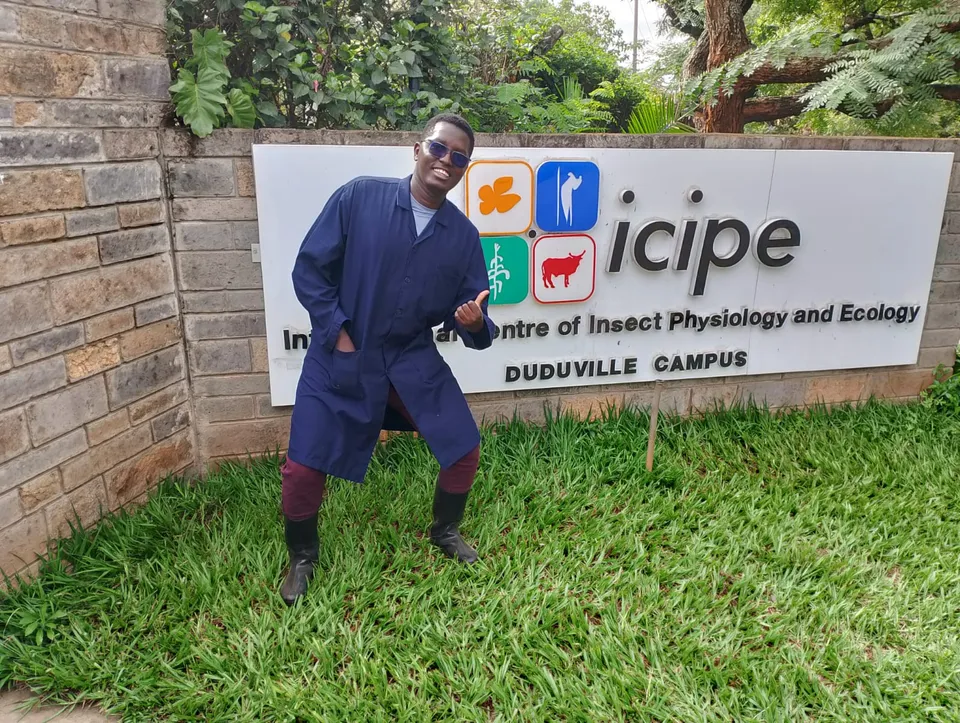
- BSF production trained at ICIPE
Trained at ICIPE. Built for the pilot room.
Derick Njeru Mbogo learned BSF production at ICIPE, the research centre in Nairobi that works on insects for food and feed. The pilot room is designed on that method.
Selected for the AAC Accelerator.
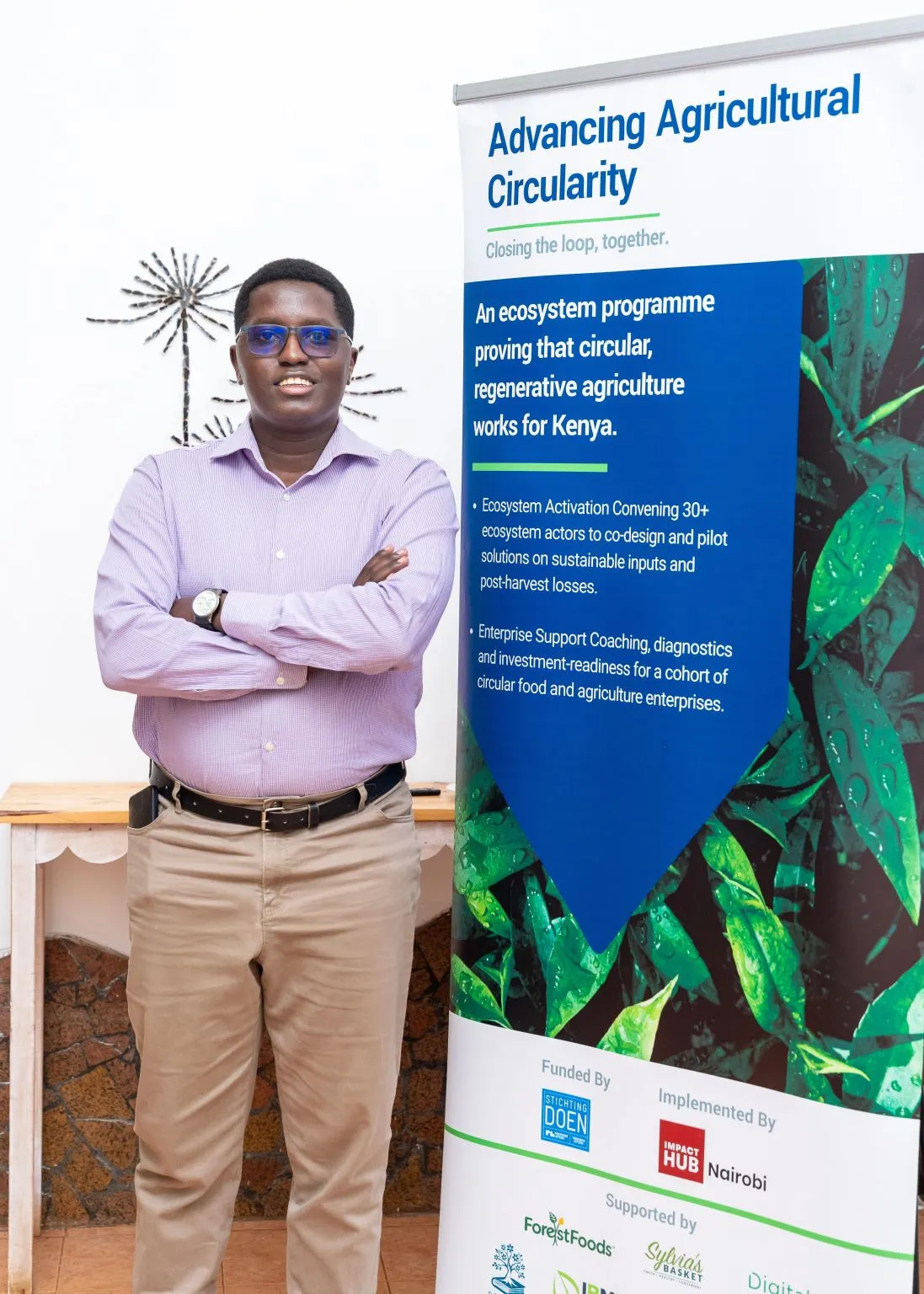
Advancing Agricultural Circularity is run by Impact Hub Nairobi with support from The DOEN Foundation. It backs ventures that scale the circular bioeconomy. We join to scale operations and deepen impact.
Read the post